

Understanding Trusted Stainless Steel Providers in Australia
 admin
adminStainless steel providers play an important role in supplying materials used across construction, manufacturing, engineering, food processing, and marine industries. Stainless steel is widely chosen because of its durability, corrosion resistance, and strength. Many businesses rely on trusted stainless steel providers in Australia to supply high-quality materials that meet industry standards and project requirements. It is used in structural frameworks, equipment, fittings, and industrial components where long service life and reliability are required.
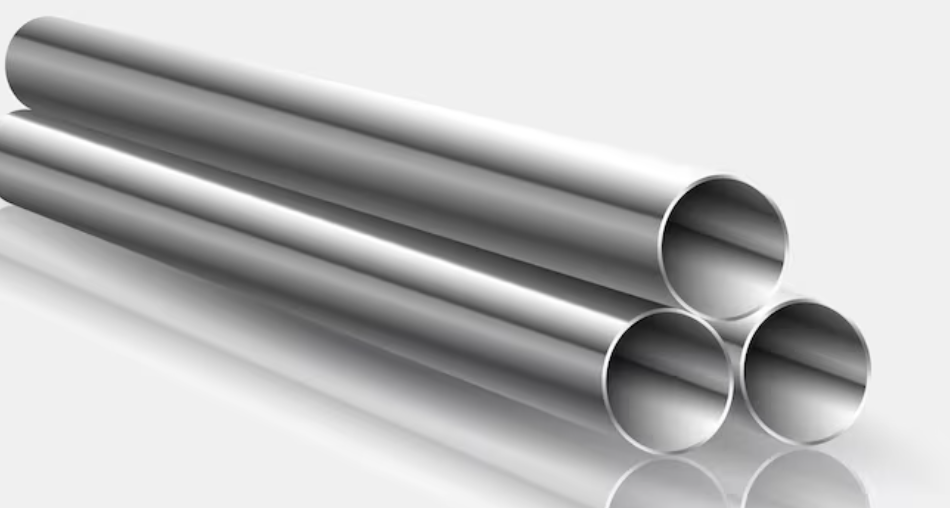
A trusted stainless steel provider is generally defined by consistent product quality, reliable supply, and compliance with industry standards. These providers supply stainless steel in various forms such as sheets, coils, pipes, tubes, bars, and custom-cut components. Each form serves different industrial needs depending on design requirements and application environments.
Quality control is one of the most important factors in stainless steel supply. Reputable providers ensure that materials meet strict standards related to composition, strength, and resistance to corrosion. Stainless steel grades such as 304 and 316 are commonly supplied, with each grade suited for specific conditions. For example, 316 grade is often used in marine environments due to its higher resistance to saltwater corrosion.
Reliable supply chains are also essential in the stainless steel industry. Construction and manufacturing projects often rely on timely delivery of materials to maintain schedules. Trusted providers typically maintain strong inventory systems and logistics networks to ensure consistent availability of stock. Delays in material supply can affect project timelines and increase costs.
In many industries, stainless steel is selected not only for strength but also for hygiene. Food processing and medical sectors require materials that are easy to clean and resistant to contamination. Stainless steel surfaces do not easily harbour bacteria, making them suitable for environments where cleanliness is critical.
Engineering and construction sectors also rely heavily on stainless steel for structural and support applications. It is commonly used in building frameworks, handrails, fasteners, and architectural features. Its resistance to rust and weathering makes it suitable for both indoor and outdoor use.
A key factor when selecting suppliers is consistency in product specifications. Variations in thickness, finish, or grade can affect performance in critical applications. Trusted suppliers ensure that all materials meet required tolerances and provide documentation such as material test certificates when needed.
Customer support and technical guidance also play a role in distinguishing reliable stainless steel providers. Many clients require assistance in selecting the correct grade or form of stainless steel for specific applications. Experienced suppliers provide advice based on industry requirements and project conditions.
Midway through sourcing decisions, businesses often evaluate established suppliers to ensure material quality and reliability. Companies such as trusted stainless steel providers in Australia are commonly referenced when assessing options for industrial-grade stainless steel supply. This helps project managers and procurement teams make informed purchasing decisions.
Pricing is another important consideration in stainless steel procurement. Costs vary depending on grade, thickness, finish, and global raw material prices. Trusted providers typically offer transparent pricing structures and may provide bulk purchasing options for large-scale projects.
Surface finish options also affect material selection. Stainless steel can be supplied in brushed, polished, or matte finishes depending on its intended use. Decorative applications often require polished finishes, while industrial environments may prioritize function over appearance.
Sustainability has become increasingly important in the stainless steel industry. Stainless steel is fully recyclable, making it a preferred material in environmentally conscious projects. Many suppliers now focus on sustainable sourcing and recycling practices to reduce environmental impact.
Manufacturing industries rely on stainless steel for machinery components, tanks, and processing equipment. Its resistance to heat and chemicals makes it suitable for demanding operational environments. Proper material selection helps extend equipment lifespan and reduce maintenance costs.
Marine and coastal industries also depend on stainless steel due to constant exposure to salt and moisture. Corrosion resistance is essential in these environments, and incorrect material selection can lead to early failure. Trusted providers ensure the correct grade is supplied for such conditions.
In construction, stainless steel is often used for architectural features that require both strength and visual appeal. Railings, facades, and support structures benefit from its clean appearance and long-term durability. Architects and engineers often specify stainless steel for modern building designs.
Inventory management is another factor that affects supplier reliability. Providers with large and well-managed stock levels are better equipped to handle urgent or large-scale orders. This is especially important for infrastructure and industrial projects with strict deadlines.
Technical standards and certifications are also important indicators of supplier reliability. Compliance with Australian and international standards ensures that materials meet required safety and performance levels. Certified suppliers are often preferred in regulated industries.
Stainless steel continues to be a widely used material due to its balance of strength, durability, and low maintenance requirements. Its versatility across multiple industries makes it a standard choice for both structural and functional applications.
Conclusion
Trusted stainless steel providers play a key role in supplying high-quality materials for construction, manufacturing, engineering, and industrial applications. Their reliability is measured by product quality, consistent supply, technical support, and compliance with industry standards. Stainless steel remains a preferred material due to its durability, corrosion resistance, and versatility. Careful selection of suppliers helps ensure long-term performance, project efficiency, and material reliability across different industries.


