
Ensuring Safety When Operating a Platform Trolley
 admin
adminIn warehouses, factories, and industrial environments, platform trolleys are indispensable tools for transporting heavy materials and equipment. Selecting the right platform trolley, with appropriate load capacity and sturdy construction, ensures safe and efficient handling of goods. These trolleys increase efficiency and reduce the need for manual lifting, but they must be used with care to prevent accidents. Workplace incidents involving trolleys can result in injuries to personnel and damage to goods. By following comprehensive safety practices, organisations can mitigate these risks while maintaining productivity.
Understanding Load Limits
A critical aspect of trolley safety is adhering to the manufacturer’s specified load capacity. Each trolley is designed to carry a maximum weight, and exceeding this limit can compromise structural integrity, causing the trolley to tip, collapse, or otherwise fail. Operators should ensure that loads are evenly distributed across the platform to maintain stability during movement. Uneven weight distribution increases the risk of tipping, especially when navigating corners or slopes. If there is any uncertainty regarding weight limits, consulting the manufacturer’s guidelines or a supervisor is essential to ensure safe usage. Load charts and warning labels provided with the trolley should be clearly visible and understood by all personnel.
Safe Handling and Operation
Proper handling is essential to prevent accidents and maintain control of the trolley. Key practices include the following:
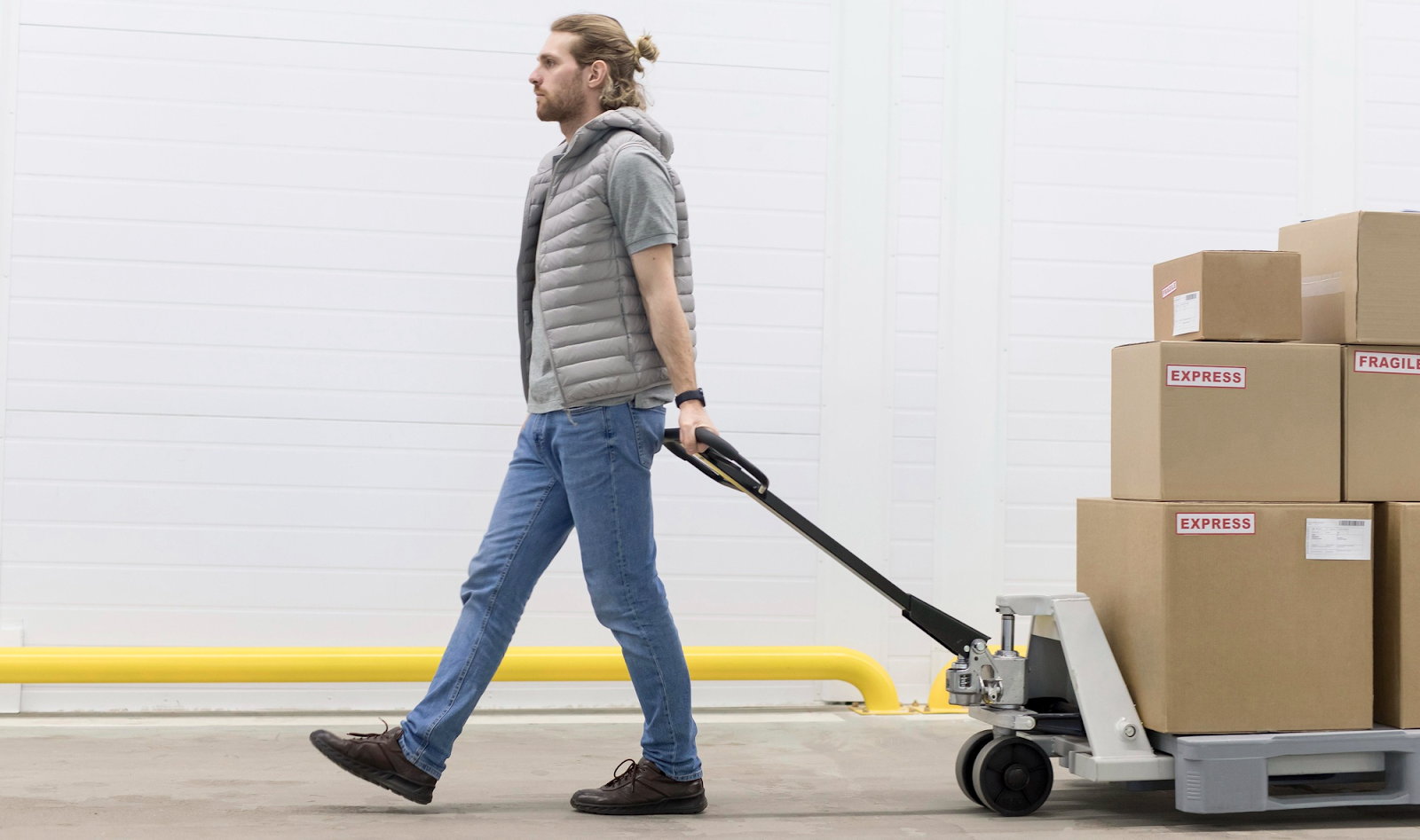
- Push, Don’t Pull: Operators should push the trolley rather than pull it. Pushing provides better control, keeps the load in sight, and allows for quicker adjustments if obstacles appear. Pulling, on the other hand, increases the likelihood of losing balance and can strain the operator’s back.
- Keep Paths Clear: Floors should be free of debris, boxes, and other obstacles. Even small objects can cause trolleys to tip or operators to trip. Routine inspections of the work area help maintain clear, safe routes.
- Use Both Hands: Handling a trolley with both hands ensures greater stability and allows the operator to adjust direction smoothly. This is especially important when manoeuvring heavy or awkward loads.
- Slow Down on Inclines: On ramps or sloped surfaces, operators should reduce speed. Descending too quickly can cause the trolley to accelerate uncontrollably, while ascending too fast may lead to loss of balance or strain on the operator.
Regular Maintenance and Inspection
Routine maintenance and inspection are vital to keep trolleys functioning safely. Wheels should be checked regularly for signs of wear, cracks, or misalignment, as damaged wheels can cause unstable movement or tipping. Lubricating moving parts prevents rust and ensures smooth operation. The platform itself should be examined for structural damage, including dents, cracks, or loose components. Any issues should be addressed immediately to prevent accidents and maintain the trolley’s reliability.
Training and Awareness
Proper training is crucial for anyone expected to operate a platform trolley. Training programmes should include the following:
- Equipment Familiarisation: Operators must understand the trolley’s components and functions, including brakes, handles, and wheels. Familiarity allows safe adjustment for different load types and weights.
- Emergency Procedures: Employees should know the steps to take in case of an incident, including reporting accidents, securing the area, and safely moving the trolley. Being prepared can reduce panic and limit the severity of injuries.
- Hazard Recognition: Operators should be trained to identify risks such as uneven floors, spills, or nearby machinery, including forklifts. Awareness of these hazards enhances safe decision-making in day-to-day operations.
Protective Gear
Appropriate personal protective equipment (PPE) is essential when using trolleys:
- Safety Shoes: Steel-toed boots protect feet from falling objects and collisions with moving trolleys.
- Gloves: Gloves improve grip, especially when handling heavier loads or operating in slippery conditions. They also protect hands from scrapes and blisters.
Ergonomics and Posture
Maintaining proper posture while handling trolleys prevents strain and injury. Operators should keep a neutral spine, avoiding hunching or twisting while pushing or pulling. When loading or unloading, lifting should be performed with the legs rather than the back, bending at the knees while keeping the load close to the body. Correct posture and lifting techniques reduce musculoskeletal injuries, which are common in industrial settings.
Environmental Considerations
The surroundings in which a trolley operates can affect safety:
- Floor Surfaces: Smooth, dry floors are safest, while uneven, wet, or slippery surfaces increase accident risk.
- Weather Conditions: Outdoor trolley use requires additional caution during wet, icy, or windy conditions.
- Lighting: Adequate illumination is essential. Poor lighting can obscure hazards and increase the likelihood of collisions or trips.
Addressing Human Factors
Human factors, such as fatigue and distraction, play a significant role in trolley safety. Operators should take regular breaks to maintain alertness and reaction times. Concentration is vital; mobile phones and casual conversation should be avoided while moving loads. For particularly heavy or awkward items, working with a partner can improve safety, allowing for shared effort and immediate assistance if needed.
Optimising Workspace
An organised work environment supports safer trolley operation. Establishing designated routes for trolleys reduces congestion and the risk of collisions with other equipment or personnel. Proper storage areas for trolleys prevent obstruction of walkways and workspaces, further enhancing safety.
Conclusion
By following these safety guidelines, organisations can significantly reduce the risks associated with platform trolleys. Adhering to load limits, practising correct handling, maintaining equipment, providing thorough training, and ensuring the right environmental and ergonomic conditions protect both operators and goods. Incorporating these measures into daily operations creates a safer, more efficient workplace where the workforce can perform tasks confidently, and equipment remains reliable.


